
How Does Bulk Wine Storage Impact Wine Quality?
Understanding how bulk wine storage affects the quality of wine is essential for both producers and consumers. Whether you're a wine enthusiast or a professional in the industry, knowing the right conditions for storing wine can make a significant difference in its flavor and aroma over time. In this guide, we will explore key factors that influence wine quality during bulk storage.
Understanding Bulk Wine Storage
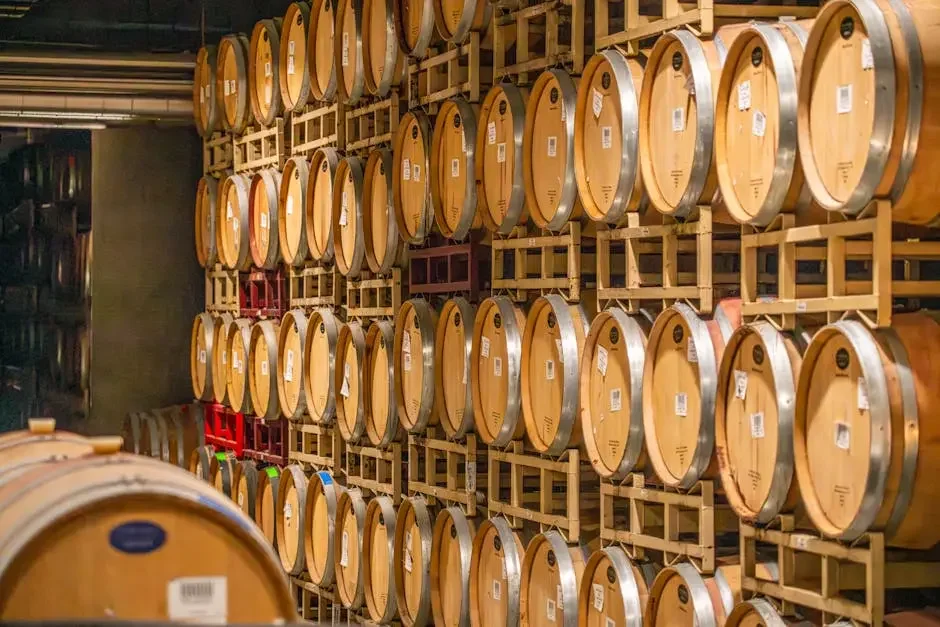
Bulk wine storage refers to the process of keeping wine in large quantities, typically in tanks or barrels, before bottling. It's important to grasp the basics of this storage method to appreciate its impact on quality.
In essence, bulk storage allows winemakers to keep large volumes of wine under controlled conditions. This method is not only efficient but provides the opportunity to fine-tune the wine before it reaches the consumer's palate.
Moreover, bulk wine storage provides a chance for wines to blend, harmonizing their various characteristics to create a balanced final product. The cumulative effect of this blending can enhance the overall quality and complexity of the wine.
Temperature Control
The temperature at which wine is stored significantly influences its aging process. Wines stored at stable, optimal temperatures tend to maintain their flavor profiles better.
Ideal storage temperatures usually range between 55°F and 65°F. Fluctuations outside this range can lead to undesirable changes in flavor and aroma, ultimately diminishing the wine's quality.
Additionally, extreme temperatures can speed up oxidation, which may ruin the wine. Thus, careful climate control is crucial; utilizing temperature-controlled storage solutions can safeguard the wine's integrity.
Humidity Levels
Maintaining proper humidity is crucial to prevent corks from drying out, which can allow air to spoil the wine. Adequate humidity helps preserve the quality of wine during storage.
Humidity levels between 60% and 70% are generally considered ideal for wine storage. If the level dips too low, it can lead to a dried cork, causing oxidation and compromising the wine's delicate balance.
Conversely, excessive humidity can promote mold growth, especially around the cork area, potentially tainting the wine. Therefore, a careful balance of humidity is necessary to ensure optimal storage conditions.
Minimizing Light Exposure
Light, especially UV rays, can degrade wine quality quickly. A dark environment helps protect delicate aromas and flavors from being compromised during storage.
Prolonged exposure to light can lead to what winemakers call 'light strike,' a condition that damages the structural components of the wine. This damage can lead to off-flavors that wine enthusiasts certainly want to avoid.
Using opaque containers for storage or positioning barrels in dark areas can greatly mitigate light exposure. Doing so helps retain the wine’s intended flavor profile, ensuring a better experience when pouring a glass.
Container Materials
The type of container used for bulk storage, whether stainless steel, oak barrels, or other materials, can impart different characteristics to the wine. Understanding these influences is key to managing quality.
Stainless steel tanks are often favored for their inert properties, helping preserve the purity of the wine's flavors without adding any additional taste. On the other hand, oak barrels introduce complex flavors, imparting notes like vanilla or spice, which can enhance certain wines.
Choosing the right material is also about finding a balance. Winemakers must consider not only the aging potential but also how the storage method will affect the wine's final profile. Having a deep understanding of these factors can set the stage for exceptional wine.
Monitoring and Management
Regularly monitoring the storage conditions and making necessary adjustments helps ensure that the wine remains at its best throughout the aging process.
Routine checks on temperature, humidity, and even light exposure should be a standard practice for anyone involved in bulk wine storage. Implementing a comprehensive management system can help in identifying potential issues before they impact quality.
Finally, thoughtful record-keeping and observation allow for a learning process over time. Each vintage carries its unique qualities, requiring specific attention to detail to enhance the final product during storage.
Final Thoughts on Bulk Wine Storage
In conclusion, bulk wine storage can profoundly affect the quality of wine. By paying close attention to temperature, humidity, light exposure, and container materials, wine producers can ensure their product maintains its integrity and flavor over time. Proper storage ultimately leads to a more enjoyable wine experience for everyone.