
Unlocking the Benefits of Climate-Controlled Wine Storage in Boston
As the wine industry continues to flourish, wine collectors and enthusiasts in Boston are discovering the importance of storing their prized bottles in optimal conditions. Climate-controlled wine storage solutions have become a hot topic, as they promise to preserve the quality and taste of our favorite vintages. In this blog, we'll delve into the benefits of investing in climate-controlled wine storage and how it can enhance your wine appreciation experience.
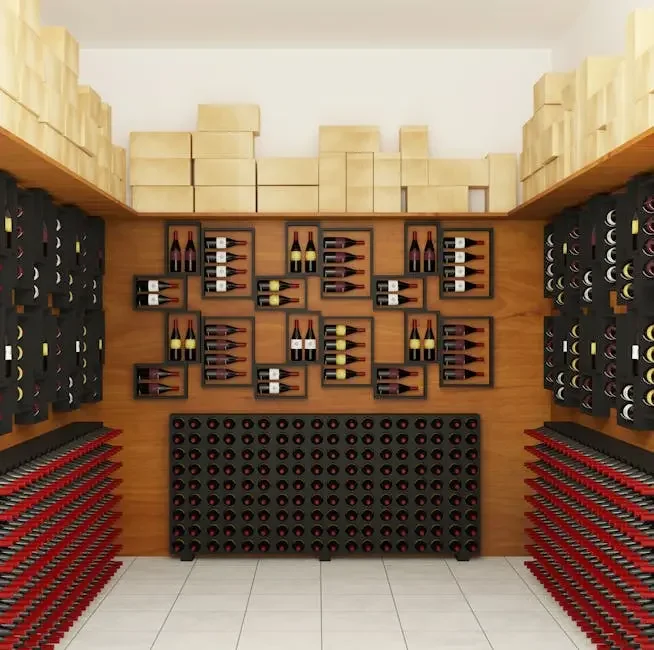
Understanding Climate Control for Wine Storage
Let's break down what climate-controlled wine storage actually means. This section will explain the ideal temperature and humidity levels needed to store various types of wine, and why these conditions matter.
Temperature is crucial when it comes to preserving wine quality. The ideal range for most wines is between 45°F to 65°F (7°C to 18°C). If you think about it, just a few degrees outside this range can dramatically affect the flavor profile. Red wines typically thrive around the higher end of this spectrum, while whites are best kept cooler. But that’s just half the story; humidity is equally important.
Wine bottles need a humidity level of around 70%. Too low, and corks can dry out, allowing air to seep in and spoil your precious vintage. Too high, and mold may form, threatening the integrity of your collection. By understanding these factors, you can better appreciate the science behind climate-controlled wine storage.
The Advantages of Controlled Temperature and Humidity
Discover how a stable environment free from temperature fluctuations can enhance the aging process of wine. We'll also explore the role of humidity in preventing cork deterioration and maintaining wine integrity.
A consistent temperature is like a gentle hand guiding your wine through the aging process. When stored in fluctuating conditions, the wine can expand and contract, which negatively impacts its quality. Imagine your favorite red losing its robust flavor simply because of improper storage! Maintaining a steady climate ensures that every bottle matures gracefully, allowing complex flavors to blossom over time.
But let’s not forget about humidity. It protects the cork from drying out, which is critical for keeping the air out of your bottles. A controlled level of humidity can also prevent unwanted mold growth that can ruin your collection. So, when you invest in climate-controlled wine storage, you essentially invest in the longevity and quality of your wine.
Choosing the Right Climate-Controlled Storage Solution
This section will guide you through the various options available: from personal wine cellars to commercial storage facilities. We’ll compare features, costs, and accessibility to help you make the best choice for your needs.
First up, personal wine cellars. If you're a serious collector, having your own dedicated space can be a game changer. Imagine being able to easily organize your bottles and have quick access when inspiration strikes. While building a wine cellar might require a significant investment, many enthusiasts find it worthwhile for the long-term preservation of their collection.
On the other hand, commercial storage facilities offer an excellent solution for those who lack the space or budget for a personal cellar. These facilities are equipped with top-of-the-line climate control systems, ensuring that your wine is stored under ideal conditions. Additionally, they provide the added benefit of security; your bottles are in safe hands, away from extreme climate shifts.
Before making a decision, consider factors like location, cost, and the features that matter most to you. Do you want a facility that offers extra services like inventory management? Or perhaps a place that allows for easy access? Gather your thoughts and choose accordingly.
Common Mistakes to Avoid with Wine Storage
Avoid the pitfalls that many wine enthusiasts face when it comes to storage. From improper shelving to neglecting regular checks, we’ll highlight key mistakes to steer clear of for your wine collection’s health.
One common mistake is storing wine in areas with significant temperature fluctuations, such as garages or attics. These spaces might seem convenient, but drastic changes in temperature can cause your wine to age unevenly. Instead, opt for a temperature-controlled environment that stays consistent.
Another mistake is ignoring the placement of bottles. Horizontal storage is essential for wines sealed with cork; it keeps the cork moist, preventing it from drying out. On the flip side, bottle storage on shelves in a vertical position is a recipe for disaster, as it can lead to air exposure. Paying attention to how you store can greatly impact the longevity of your collection.
Lastly, many people overlook the importance of regular checks. Even climate-controlled storage isn’t a set-it-and-forget-it solution. Make it a routine to inspect your collection occasionally; look for any issues like leaks or temperature changes. This little habit can save you from significant headaches down the line.
The Impact of Climate-Controlled Storage on Wine Value
Learn how proper storage affects the resale value of your wine collection. We’ll discuss how buyers perceive well-stored wines and the importance of documentation when it comes to selling.
Proper storage is not just about preservation—it's also about value. Wine buyers are keenly aware of storage conditions, and a well-documented history of your wine's storage can make a world of difference when it's time to sell. Imagine potential buyers passing over your bottles simply because they cannot be certain of their condition.
When you store your wine correctly, you're essentially maintaining its character and quality. This assurance allows you to command a higher price when selling. Plus, including storage documentation and provenance can elevate your standing in the market, enticing discerning buyers who are willing to pay a premium.
So, if you ever plan to sell your collection, consider climate-controlled storage not just a luxury but a strategic investment. The peace of mind it offers, along with potential future gains, makes it a worthwhile choice for any serious wine enthusiast.
Preserving Your Wine Experience
In conclusion, embracing climate-controlled wine storage is a smart investment for anyone serious about enjoying wine at its best. Not only does it protect your cherished bottles from temperature fluctuations and humidity issues, but it also contributes to the overall appreciation of wine. Whether you're a seasoned collector or just starting your journey into the world of wine, the right storage solution can make all the difference in preserving the character and quality of your collection.