
Shipping wine can seem daunting, but with the right techniques, you can ensure your bottles arrive safely and in perfect condition. In this post, we'll explore twelve innovative packing hacks that make wine shipping a breeze. Whether you're sending a gift to a friend or running a small wine business, these tips will enhance your packing game and save you from potential disasters.
1. Utilizing Bubble Wrap for Added Cushioning
Bubble wrap is a classic choice for protecting fragile items like wine bottles. Wrap each bottle individually for increased protection against breakage during transit.
But that’s not where the benefits end! With bubble wrap, you can also be strategic. For instance, wrapping bottles horizontally can utilize your available space more effectively. It can be especially helpful when you’re packing a variety of wine types.
Additionally, when you include that extra layer of air-filled cushioning, you’re essentially creating a fortress for your wine. Even a little tough transit won’t budge those bottles, giving you confidence as they travel to their destination.
2. Choosing the Right Box for Your Bottles
Opt for sturdy, appropriately sized boxes designed for wine shipping. These boxes often come with dividers to keep bottles secure and prevent movement.
When selecting a box, make sure it has enough thickness and rigidity. A flimsy box is a recipe for disaster! Double-walled boxes are your best bet as they offer superior protection.
And don’t forget to examine the interior design of these boxes. Many specially designed boxes have additional compartments for accessories like corkscrews and glasses, making them an excellent choice for those who want to send a complete wine experience.
3. Using Styrofoam Inserts for Maximum Protection
Styrofoam inserts provide excellent shock absorption. They cradle each bottle securely, minimizing the risk of damage during shipping.
If you’re serious about wine shipping, investing in these inserts will be worth it. Each bottle is cushioned to withstand bumps and jolts, particularly during lengthy journeys. Plus, they are lightweight and won’t add much to your overall shipping costs.
It’s crucial to remember that proper installation of these inserts can mean the difference between a safe delivery and a shattered mess. Ensure that the bottles fit snugly within the Styrofoam so that they don't have any room to move around.
4. Packing with Towels or Clothing
Old towels or soft clothing items can serve as cushioning materials. They’re effective at filling gaps within your box and protecting bottles from jostling.
Repurposing these items not only helps secure your wine but also is an eco-friendly option. It’s a great way to minimize waste while ensuring that your bottles are safeguarded during transit.
5. Sealing Bottles with Plastic Wrap
Before packing, seal bottle tops with plastic wrap to prevent leaks. This simple step can save your other items from wine spills.
Going the extra mile can avoid the disaster of discovering a soggy mess upon arrival. Plus, it takes just a few moments and can make a significant difference! Be thorough and wrap tightly for the best results.
6. Creating Custom Dividers with Cardboard
If specialized inserts aren't available, make your own dividers using cardboard. Cut them to fit snugly between bottles, ensuring they don’t bump into each other.
This DIY approach is effective and economical; you probably have old boxes lying around that can be repurposed. Just remember to measure the height and width to create optimal divisions.
Also, consider reinforcing your dividers with tape for added stability. This small step can greatly enhance your overall packing strategy.
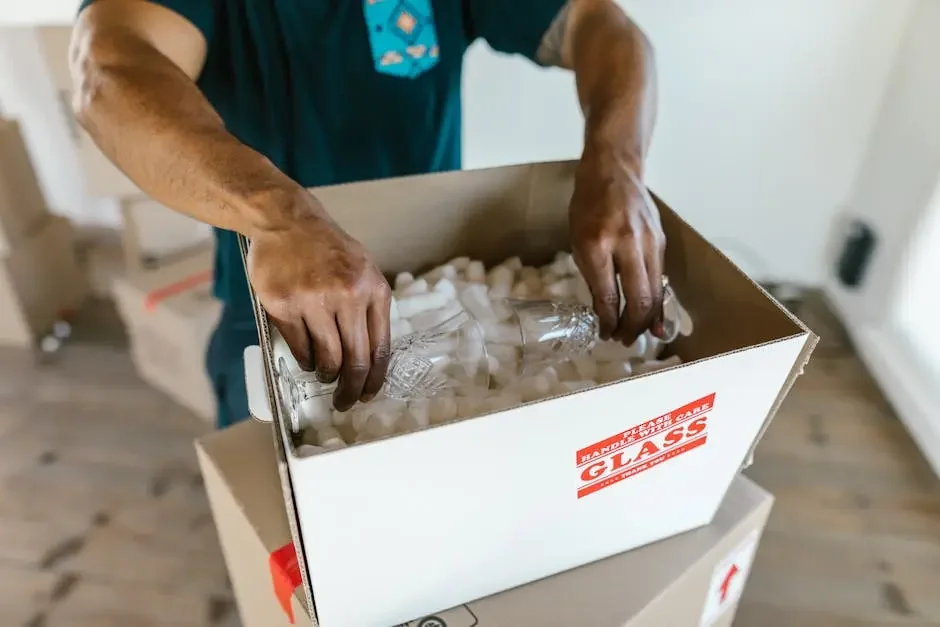
7. Using Wine-Safe Packing Peanuts
Packing peanuts made for wine shipping can be effective at protecting bottles. They fill voids to keep bottles from shifting and offer cushioning.
Opt for biodegradable types whenever possible. This choice not only protects your wine but also the planet. Using materials designed for the specific purpose of wine shipping significantly reduces any risks of breakage.
8. Labeling Your Package Clearly
>Make sure to label your package as fragile. Use bold letters and symbols to remind handlers to treat it with care.
A clearly marked box can also help customs handlers understand what they're dealing with and how to handle the package. Always include contact information on the label to foster better communication during transit.
9. Opting for Temperature-Controlled Shipping
If shipping long distances, consider temperature-controlled shipping options. This can help protect your wine from extreme temperatures that may compromise quality.
Whether it’s a scorching heatwave or a freezing cold snap, ensuring your wine maintains its intended taste and aroma is critical. Some shipping services offer this option at an additional cost, but the preservation of your precious bottles can be worth the investment.
10. Avoiding Overpacking
While it’s essential to protect your wine, avoid overpacking. Too tight a fit can cause bottles to break. Ensure they have a little room to breathe.
Remember that a little gap allows any movement from transit to be absorbed. Sometimes, a balance between snugness and protection can be the best approach to ensure your bottles arrive intact.
11. Testing Your Packing Method
Before shipping valuable bottles, conduct a test run. Pack a bottle and drop the box from a small height to see how well it holds up.
It may sound simple, but this test can reveal weak points in your packing setup. Such preventative measures could save you from learning the hard way about the fragility of your precious wine collection.