
10 Essential Tips for Managing Bulk Wine Storage
Storing wine properly is crucial for maintaining its quality and ensuring that every sip is as delightful as the first. Whether you're an enthusiast with a growing collection or just starting out, these essential tips will help you manage bulk wine storage effectively. Get ready to unlock the secrets to preserving your favorite vintages!
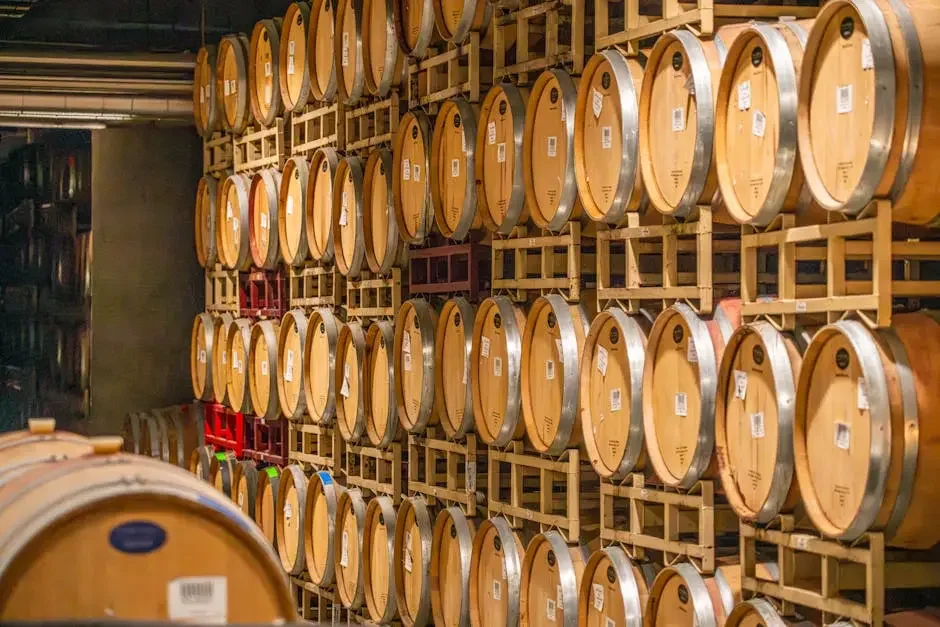
1. Choose the Right Location for Storage
Finding a suitable spot to store your bulk wine is the first step in ensuring its longevity. Look for a cool, dark area, away from direct sunlight, that maintains a stable temperature. A basement or a wine cellar can be ideal, as these spaces tend to have consistent conditions that are conducive to proper wine storage. If these options are unavailable, even a closet in a climate-controlled environment can do the trick. Just be sure to avoid areas near heating vents or windows, where temperature and light could fluctuate dramatically. Ensuring minimal daylight exposure will also help your wine maintain its integrity.
In your quest for the perfect storage location, consider the altitude too; high humidity areas are beneficial as they can help keep the corks moist, which is important for wine quality over time. Create a dedicated space solely for your wine collection to avoid mixing with strong-smelling substances that could taint your wine, such as cleaning supplies or even certain foods. Ultimately, the right location is about finding a balance: a place that keeps your wine dark, cool, and free from vibrational disturbances.
2. Maintain Consistent Temperature Levels
Wine thrives at a consistent temperature, ideally between fifty-five and sixty-five degrees Fahrenheit. Fluctuations can spoil the taste, so invest in a thermometer to monitor your storage space. This way, you can optimize conditions to suit your collection of reds, whites, and rosés. Do remember, while it might sound simple, maintaining the right temperature is often the most overlooked aspect of wine storage. Many wine enthusiasts assume that any cool place will do the job, but in reality, even a few degrees difference can alter the wine's character.
A dedicated wine cooler or cellar is a worthwhile investment. Not only are they designed specifically for wine, but they often have multi-zone capabilities, allowing you to store different varieties at their ideal temperatures. Keep in mind, however, that occasional short-term temperature spikes, caused by power outages or high ambient temperatures, can be manageable. You must always strive for stability over perfection. Regularly check your storage environment and maintain a record of the conditions to ascertain patterns that may help prevent undesirable changes in your wine.
3. Control Humidity to Protect Corks
Humidity levels play a vital role in protecting your wine. Aim for a humidity level around seventy percent to avoid corks drying out or mold forming. Why is this important, you may ask? When corks dry out, they can shrink, allowing air to enter the bottle. This can lead to oxidation, spoilage, and ultimately, the loss of your precious wine's character. A hygrometer can be a great tool to keep track of humidity levels.
To maintain ideal humidity, consider using a humidifier or simply placing a shallow dish of water near your wine storage area. This simple trick can do wonders, especially in dry environments. On the flip side, be cautious of overly humid areas that might promote mold. With careful monitoring, you can strike the right balance, ensuring your wine remains pristine and enjoyable for years.
4. Store Bottles Horizontally
By storing bottles horizontally, you keep the cork moist, preventing it from drying out and allowing air to seep in. This is especially important for wines intended for aging. A horizontal position ensures that the wine is in contact with the cork, maintaining its flexibility and integrity over time. It's a simple tip, yet one often overlooked by novice collectors.
Moreover, storing wine horizontally maximizes space, allowing you to fit more bottles into your storage area. Consider using specially designed racks that accommodate horizontal storage. By organizing your collection in this way, you also make it easier to assess your stock and pick the perfect bottle for your next occasion. Remember, the way you store your wine can influence not only its longevity but also its overall flavor profile.
5. Invest in Quality Wine Racks
Sturdy wine racks not only organize your collection but also ensure bottles are stored safely, reducing the risk of breakage and allowing for better airflow around each bottle. Quality racks will support various bottle shapes and sizes, which is essential as you diversify your collection over time. Think about what type of wine you prefer—if you’re a fan of sparkling varieties, for example, ensure your racks can accommodate those larger bottlenecks.
Additionally, the aesthetics of your storage solution can enhance your home’s décor. Opt for materials that match your style, whether it’s rustic wood or sleek metal. A well-organized wine rack conveys passion and dedication to your collection while making it easier for you to find the perfect wine when the occasion arises. Remember, investing in quality means investing in the longevity of your collection.
6. Keep Wine Away from Vibrations
Vibrations can disturb the sediment in wine, impacting its flavor. Store wine in a quiet space, away from appliances and heavy foot traffic to maintain its integrity. By minimizing disturbances, you give your wine the best chance to develop its full character and complexity. This is especially pertinent for aged wines or those that are meant to be sipped leisurely over time.
Consider storing wine in a room that is seldom used, such as a closed-off basement. If that’s not an option, isolating your wine racks from other household activities can work too. As an extra precaution, avoid placing your wine storage unit near washing machines, refrigerators, or any large devices with motors that create vibrations. By making these thoughtful adjustments, you’re creating an optimal environment that minimizes outside interference.
7. Monitor Light Exposure
Excessive light, especially UV rays, can degrade wine quality. Use opaque storage containers or position your collection in a dark area to minimize exposure. Windows can be a significant issue here; UV light passes easily through glass, potentially affecting flavor and aroma. If your storage is near a window, consider installing blackout shades to block out light.
Moreover, utilizing storage options that are specially designed for wine, such as fully enclosed cabinets or wine coolers with external displays, can significantly reduce the impact of light exposure. These products not only protect your wines from harmful rays but also add a stylish touch to your home. Keeping your wines in the dark allows them to age gracefully, developing the rich, nuanced flavors that every wine lover treasures.
8. Organize by Type and Age
Keeping track of what you have and when you need to drink it is essential. Organize your collection by varietal or vintage to easily access wines at their peak. Creating an organized system not only helps you find what you want quickly but also encourages you to experiment with different wine pairings and selections over time.
Whether you choose to store reds, whites, and sparkling wines together or keep them in separate sections is up to you. Some prefer a chronological organization by year of purchase, while others focus on the age of the wine itself, which can be vital for optimal drinking windows. Utilize labels or software to keep a record of your inventory. An organized storage area is a joy to navigate, and it makes each selection feel special and intentional.
9. Check for Pests Regularly
Ensure your storage area is clean and pest-free. Check for signs of rodents or insects that might damage your collection and address any issues immediately. Beyond basic cleanliness, setting up traps or using natural deterrents can be a proactive approach to keeping your wines safe.
Regular inspections can go a long way in protecting your investment. Look for droppings or chew marks, and stay mindful of your surroundings. Pests often thrive in damp, dark environments, which is why maintaining the right climate is not just beneficial for your wine, but it also deters unwelcome intruders. Taking preventive steps ensures that every bottle is as perfect as you intended when you first bought it.
10. Use a Wine Storage App
Consider utilizing technology to manage your collection. Wine storage apps can help you track inventory, aging notes, and tasting experiences, making wine management even easier. Many of these apps allow you to scan labels for quick entry, making it simple to maintain a detailed record of your wines on hand.
Additionally, you can set reminders for when a wine reaches its peak drinking window or when you might want to revisit a specific bottle. The interconnected nature of these apps can also introduce you to tasting notes, pairing suggestions, and community reviews, enhancing your entire wine journey. Using technology effectively not only makes managing your bulk wine storage easier but also enriches the way you appreciate your collection.