
15 Things You Need to Know About New England Wine Storage
New England is known for its stunning landscapes and rich history, but it's also home to a burgeoning wine industry. Whether you're a casual wine enthusiast or a seasoned connoisseur, understanding the nuances of wine storage in this unique region is vital. From temperature control to humidity levels, there are several key factors to consider. In this listicle, we’ll delve into essential tips and insights to help you properly store your wine collection in New England.
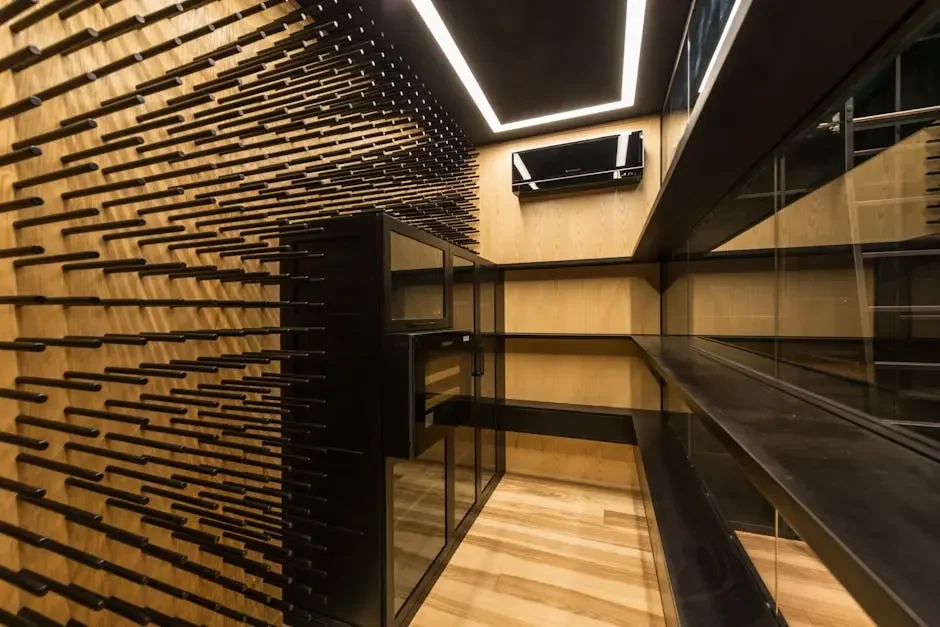
1. Understanding Temperature Control
The foundation of good wine storage begins with maintaining the right temperature. Ideally, wines should be kept around fifty-five degrees Fahrenheit for optimal aging. This degree is not just a number; it represents a delicate balance that allows your favorite vintages to flourish over time. Too warm, and your wine may age too quickly, losing that intricate bouquet that makes each sip special. Conversely, if it’s too cold, flavors may remain trapped, never fully expressing themselves. For homeowners in New England, where temperatures can vary significantly between seasons, a dedicated wine fridge might be an ideal solution.
Moreover, it’s advisable to keep away from sudden temperature fluctuations. Imagine the shock to a wine bottle that shifts from a cozy 55°F to a brisk 70°F. Such drastic changes can weaken wine and degrade its quality. So, when you’re picking that perfect spot, consider not only where you can keep it cool but also where you can keep it consistent. With this in mind, let’s take a closer look at the companion variable: humidity.
2. Humidity and Its Impact
Humidity levels between fifty and seventy percent are crucial for preserving cork integrity and preventing spoilage. Too much moisture can lead to mold, while too little can dry out corks, allowing air to seep into the bottle and ruin your wine. This delicate balance is essential, especially for those who love their collections as much as the wines themselves. Consider using a hygrometer to monitor the humidity levels in your storage area.
In addition, you might want to introduce some humidity control techniques. A small bowl of water placed near your bottles can do wonders in maintaining the needed moisture in the air. If you're serious about your collection, investing in a quality wine cellar with built-in humidity control can be a game-changer. This will save you the worry and ensure an environment that perfectly nurtures your wines.
3. Choosing the Right Storage Location
Designate a dark, vibration-free area in your home for wine storage. Basements are often ideal due to natural coolness and limited light exposure. However, not all basements are created equal; ensure that your space is clean and free from strong odors that could be absorbed by the bottles. Interestingly, the ground temperature tends to stay more consistent than air, making it a natural cooling agent.
The importance of avoiding direct sunlight cannot be overstated. UV rays are notorious for ruining wine by breaking down the compounds that give it character. When selecting the right storage location, ensure that it’s shielded from light, whether natural or artificial. If your chosen spot is a bit dim, consider using only low-wattage bulb lighting if necessary. Your wine deserves to be preserved in a haven away from harsh elements.
4. The Importance of Cork Quality
Investing in quality corks prevents air from entering the bottle, which can spoil your wine. A compromised cork can lead to oxidation, ruining the intricate flavors you've been looking forward to. When you purchase a bottle, take the time to inspect the cork as much as the wine itself. Make sure the closure is intact before storing. It's often worth it to seek bottles from reputable producers who understand the importance of quality in every aspect of their production.
Additionally, if you’re unsure about the cork quality or if you have stored wines for several years, consider how you handle those bottles. Gentle handling is essential to maintain optimal cork condition, and it also preserves the entire bottle’s integrity. This attention to detail can elevate the wine experience significantly and make every sip memorable!
5. Understanding Different Wine Types
Each wine type has preferred storage conditions. For example, sparkling wines often benefit from colder temperatures than reds. This means that when curating your collection, it’s vital to know which bottles need which environment. White wines usually like to be chilled even in storage, while fuller-bodied reds appreciate warmer surroundings. When you understand these needs, you can ensure an optimal environment tailored specifically for each bottle, greatly enhancing their aging potential.
Moreover, familiarize yourself with varietals that improve over time versus those that are best enjoyed young. Some wines are made to age gracefully and develop complex flavors over the years, while others, such as many rosés and whites, tend to be freshest when consumed soon after release. The journey of wine is as complex as the flavors contained within each glass – so take your time in learning what suits your palette and storage. This kind of knowledge empowers you as a connoisseur or enthusiast.
6. Using Wine Racks Wisely
Arrange your bottles horizontally in racks to keep the cork moist and ensure a proper seal. This simple action prevents the cork from drying out, which is crucial for maintaining the wine's quality. Whether you’re investing in high-end custom racks or opting for more affordable alternatives, the key is to select a style that suits your storage space while safeguarding your collection.
Additionally, consider grouping wines not only by type but also by how soon you plan to enjoy them. Create a section for bottles that you want to savor now versus those designated for future celebrations. This strategy simplifies the selection process and ensures that you won't forget about that special vintage waiting for the right moment.
7. Avoiding Direct Sunlight
Ensure your wine storage area is shielded from direct sunlight to prevent heat damage and undesirable aging. UV rays can degrade tannins and compromise flavors, leading to potentially spoiled bottles. If your storage space doesn’t have natural darkness, consider adding protective curtains or shades, or even tinted glass.
An even simpler approach might involve placing your wine in opaque boxes or bins. This adds an additional layer of protection against light exposure. Think of it as giving your bottles the cozy, protective blanket they deserve to thrive! With this shield, you can rest easy knowing that your wines are safe from the harmful effects of light while stored.
8. Experimenting with Wine Aging
Not all wines benefit from aging. Familiarize yourself with varietals that improve over time and those that are best enjoyed young. Knowing when to drink your wine comes down to understanding its structure and potential. Tasting a variety of wines at different ages can provide insights into how aging influences flavor and aroma.
You might also consider keeping a small selection of both aging wines and those ready to drink now. This not only ensures you have bottles at every stage of your wine journey but also allows for conversations about the evolution of flavors over time. This exploration makes wine tasting an exciting and educational experience!
9. Implementing Proper Traffic Control
Limit movement in your wine storage space to reduce vibrations that can disturb delicate aging processes. This is particularly important for those who have invested in a sizable collection. Vibrations from foot traffic or appliances can disrupt the sediment in bottles, affecting flavor profiles over time. Taking conscious steps to minimize disturbances can go a long way toward ensuring your wines develop beautifully.
You might even want to create a designated 'wine zone' where movement is kept to a minimum. This area can be furnished with cozy seating for tastings or a small table for an occasional wine log review. In essence, treat this space with reverence; after all, it’s a sanctuary for your beloved bottles!
10. Regular Inventory Checks
Conduct routine checks of your wine collection to monitor conditions and plan for consumption or additional purchases. This is not just about keeping track; it’s an opportunity to appreciate your collection, noting which bottles are ready now and which need a bit more time. By maintaining a wine journal, you can make these checks even more efficient and enjoyable.
Use this inventory process as a means to reflect on your wine journey. How has your palate evolved? What varietals are you gravitating towards? Each check can bring about new discoveries, enhancing your appreciation for the wines currently nestled in your bottles. Make it a monthly habit, perhaps with friends or family, to engage everyone in the excitement of anticipation!
11. Creating a Wine Log
Document your wines, noting the varietal, vintage, and tasting notes. Tracking your wines enhances the enjoyment of your collection. When you consume a bottle, take a moment to reflect on the experience. What flavors stood out? Did it pair well with the meal? Logging these details not only deepens your appreciation for what you’re drinking; it can also guide future selections.
You can choose to do this digitally or with a classic notebook. The key is consistency. Consider creating an engaging template that suits your style, including space for your own reflections on wines shared with friends, special occasions, and memories made over a glass. Your wine log ultimately becomes a treasure trove that reflects not just your tastes, but also your journey through the world of wine.
12. Understanding Wine Labels
Take time to learn how to read wine labels. This knowledge aids in selecting wines that will age well. Start by familiarizing yourself with key terms and labels that indicate aging potential, such as specific varietals or regions known for quality. A trusted label not only offers quality assurance but often provides a glimpse into the winemaking philosophy behind each bottle.
Moreover, understanding labels can enhance your purchasing decisions. When shopping, knowing what to look for can save you time and ensure that you are picking bottles with the best potential for your storage. Wine shopping can swiftly turn from a daunting task to an enjoyable adventure when you’re well-prepared with this knowledge!
13. Adapting to Seasonal Changes
Be mindful of seasonal temperature fluctuations in New England. Investing in a temperature-controlled wine fridge could be a great solution. Seasonal changes can lead to wide temperature variations in standard home environments; a controlled setting ensures that your wines remain in their optimal conditions no matter what the weather throws your way.
Be aware of how to manage these changes throughout the year. For instance, setting your fridge to slightly cooler during the summer can mitigate the effects of rising temperatures in the home. Taking advantage of seasonal storage strategies allows you to proactively protect your wines’ quality at all times.
14. Considering Professional Storage Options
If your collection is substantial, explore professional wine storage options that provide optimal conditions for wine preservation. Many places offer climate-controlled environments specifically designed for wine, ensuring a consistent temperature and humidity level. While this may involve some investment, the peace of mind knowing your precious bottles are expertly cared for could be well worth it.
Additionally, professional storage solutions often have added benefits, like security features and insurance options, which can safeguard your investment even further. You might also find that many facilities host tastings or events, providing opportunities to connect with fellow enthusiasts and gain fresh insights into the art of wine. The connections made in these spaces can add layers of enjoyment to your wine journey.
15. Embracing Your Wine Journey
Enjoy the process of learning and tasting as your collection grows. Wine storage is as much an art as it is a science! Every bottle is a story waiting to unfold, filled with lessons about flavor, aging, and the wine-making process. There is joy in discovering new varietals that intrigue your palate, and even greater satisfaction in nurturing your collection to reach its full potential.
Participate in tastings and engage with fellow wine lovers to put your knowledge into practice. Each experience deepens your understanding, creating a mosaic of memories associated with every bottle. So as you embark on this exquisite journey, remember: Storage is just the beginning. It’s the adventures in tasting and sharing your wines that truly make the story unfold!