
Why Is Temperature Control Important in Commercial Wine Storage?
Proper temperature control is crucial for maintaining the quality of wine in commercial storage. In this blog, we'll explore the key reasons why keeping an optimal temperature is fundamental for any wine business.
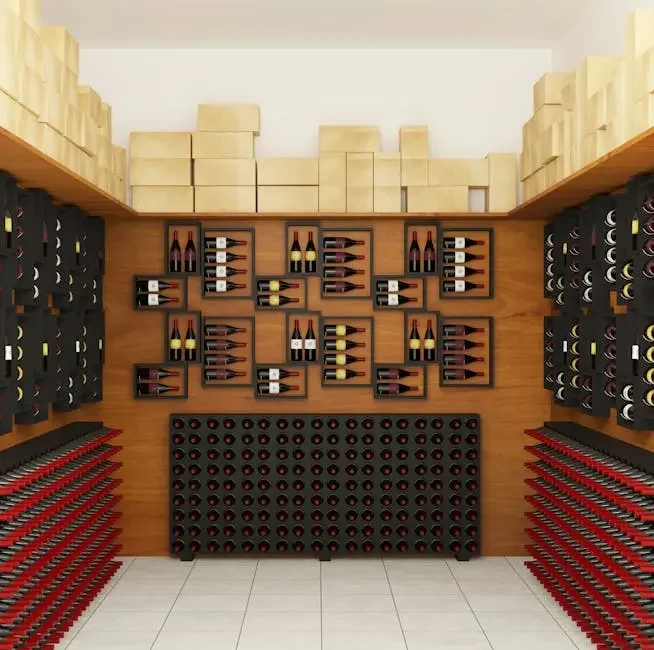
Understanding Wine Chemistry
To appreciate the importance of temperature control, it's essential to understand how temperature affects wine's chemical composition, aging process, and taste.
Wine is a complex mixture of acids, sugars, tannins, and other compounds. Each of these components reacts differently to temperature changes. For example, warmer temperatures can accelerate oxidation, which can spoil even the finest wine. Conversely, too cold temperatures can suppress certain flavors in a wine, causing it to taste flat and uninviting.
As a result, maintaining a consistent and optimal temperature helps preserve these delicate balances and ensures the full character of the wine is expressed. This is particularly important in commercial settings where customer expectations are inherently high. Thus, understanding wine chemistry not only aids in the appreciation of the drink but also underscores the necessity of temperature control.
The Ideal Temperature Range
Different types of wine have specific temperature ranges they thrive in. Knowing these ranges is key to effective storage.
For instance, red wines generally perform best between 60°F and 65°F (15°C to 18°C), while whites and rosés benefit from cooler conditions—ideally from 45°F to 55°F (7°C to 13°C). Sparkling wines, on the other hand, crave even chillier temperatures to maintain their effervescence, often around 40°F (4°C). This variety means that a one-size-fits-all approach simply won't cut it in commercial wine storage.
To complicate matters further, each wine’s age also plays a vital role: younger wines may prefer warmer temperatures while older vintages benefit from a cooler environment. Thus, knowledgeable wine storage managers must tailor their temperature settings not only to the type of wine but also to its age.
Impact of Temperature Fluctuations
Sudden changes in temperature can spoil wine, causing it to age prematurely or lose its flavor. This section delves into the consequences of temperature instability.
When a bottle experiences temperature swings, the wine expands and contracts, which can push the cork out slightly. This allows oxygen to seep in, leading to oxidation—one of the most significant threats to wine quality. Imagine investing in a premium bottle of Cabernet, only to find its flavors muted or completely altered due to poor temperature management. It's a sad reality that many commercial wine sellers face.
Additionally, persistent fluctuations can create inconsistent aging conditions. This inconsistency affects the wine's ability to mature gracefully, leading to a subpar product. Therefore, maintaining temperature stability is not just a best practice—it’s an absolute necessity for any wine business aiming to uphold their reputation.
Preventing Wine Faults
Temperature control helps in preventing wine faults like oxidation, cork taint, and volatile acidity that can ruin a bottle.
Oxidation is often the result of prolonged exposure to heat, leading to undesirable changes in flavor and color. Cork taint, caused by a compound called TCA, can render a bottle undrinkable, while volatile acidity can produce unpleasant vinegar-like characteristics. Maintaining the right temperature not only preserves the wine but also keeps these faults at bay.
Ultimately, by investing time in understanding these potential pitfalls and managing temperature accordingly, wine custodians can ensure that every bottle reaching the consumer is at its best. That consistency builds customer trust and loyalty, which is critical in the highly competitive world of wine sales.
Investing in Proper Storage Solutions
This section will outline options for temperature-controlled storage solutions and how to evaluate the best choices for your wine inventory.
When it comes to temperature-controlled storage, options range from simple wine fridges for smaller collections to sophisticated cellar systems for larger commercial inventories. For those serious about wine, specialized wine storage units equipped with multiple zones are ideal, allowing you to store both reds and whites at their respective optimal temperatures.
Moreover, it's essential to invest in reliable temperature monitoring systems. These devices can alert you to any fluctuations in real-time, allowing for quick action if something goes awry. Pairing these technologies with proper insulation and placement of storage systems further enhances wine preservation, ensuring your collection remains in pristine condition.
Key Takeaways
In conclusion, controlling the temperature in commercial wine storage is essential for preserving the integrity and flavor of wine while also protecting your investment. Understanding these factors can lead to better wine management and satisfied customers.